

Live Oak- (Quercus virginiana) is a majestic and iconic evergreen tree that graces landscapes with its grandeur and historical significance. Native to the southeastern United States, this impressive oak species typically grows to a height of 40 to 80 feet or even taller, with a spread that can exceed 100 feet or more, creating a sprawling and wide-reaching canopy. Southern Live Oak is well-suited for a range of USDA hardiness zones, from 7 to 10, thriving in warm and subtropical climates.
Thriving in full sun to partial shade, Southern Live Oak is highly adaptable and can tolerate a variety of soil types, from sandy to clayey soils. It is particularly well-known for its resilience and ability to withstand harsh weather conditions, making it a common sight in coastal landscapes where it endures salt spray and hurricane winds. When planting Southern Live Oak, spacing individual trees at least 20 to 40 feet apart provides ample room for its sprawling growth and allows for the development of its iconic horizontal branches. The tree’s unique characteristics include its distinctive gnarled and twisting branches, thick leathery leaves that remain green year-round, and small acorns that provide food for wildlife. Beyond its ornamental value, Southern Live Oak has historical significance and has often been associated with cultural heritage, serving as a symbol of strength, endurance, and Southern charm.

Laurel Oak- (Quercus laurifolia) is a stately and impressive deciduous tree that graces landscapes with its elegant form and vibrant foliage. Native to the southeastern United States, this oak species typically grows to a height of 40 to 60 feet, with a spread of 30 to 40 feet, forming a pyramidal or rounded canopy. Laurel Oak is well-suited for USDA hardiness zones 6 to 10, thriving in a wide range of climates.
Thriving in full sun to partial shade, Laurel Oak is adaptable to various soil types, including well-draining sandy soils. It is particularly well-known for its tolerance of wet conditions and is often found in lowland areas, making it suitable for planting near water bodies or in locations with periodic flooding. When planting Laurel Oak, spacing individual trees at least 20 to 30 feet apart provides ample room for its mature growth and allows for the development of its distinctive branches. The tree’s unique characteristics include its glossy dark green leaves that resemble those of the laurel tree, hence its common name, and its attractive reddish-brown bark. Beyond its ornamental value, Laurel Oak contributes to local ecosystems by providing habitat for wildlife and supporting biodiversity.

West Indian Mahogany- (Swietenia mahagoni), is a magnificent and highly valued deciduous tree renowned for its rich, reddish-brown wood and its stately presence in landscapes. Native to tropical regions of the Americas, this impressive mahogany species can grow to a height of 50 to 70 feet or more, with a spread of 30 to 40 feet, forming a large and spreading canopy. West Indian Mahogany is well-suited for USDA hardiness zones 10 to 11, thriving in warm and subtropical climates.
Thriving in full sun to partial shade, West Indian Mahogany is adapted to a variety of soil types, including well-draining sandy or loamy soils. It is particularly well-known for its ability to grow in coastal areas, making it a popular choice for seaside landscapes. When planting West Indian Mahogany, spacing individual trees at least 30 to 40 feet apart provides ample room for its majestic growth and allows for the development of its iconic straight trunk and broad crown. The tree’s unique characteristics include its pinnate leaves, which are composed of leaflets arranged like feathers, and its fragrant, small flowers that develop into large, woody capsules containing seeds. In addition to its ornamental value, West Indian Mahogany boasts exceptional timber quality, making it a prized species for furniture-making, cabinetry, and other woodworking projects. Its elegant appearance, durability, and rich history contribute to its high value as a timber tree.

Orange Geiger- (Cordia sebestena) is a vibrant and eye-catching evergreen shrub or small tree that adds a burst of tropical color to gardens and landscapes. Native to tropical and subtropical regions of the Americas, this species typically grows to a height of 10 to 20 feet with a similar spread, forming a compact and rounded canopy. Orange Geiger is well-suited for USDA hardiness zones 10 to 11, thriving in warm and frost-free climates.
Thriving in full sun to partial shade, Orange Geiger is adaptable to a variety of soil types, including well-draining sandy or loamy soils. It is particularly well-known for its drought tolerance once established, making it suitable for xeriscaping or water-wise gardens. When planting Orange Geiger, spacing individual shrubs or trees about 8 to 10 feet apart allows for proper air circulation and room for growth. The plant’s unique characteristics include its stunning trumpet-shaped flowers that range in color from vibrant orange to coral-red, creating a spectacular display during the warmer months. These flowers not only attract hummingbirds and butterflies but also add a touch of tropical charm to landscapes. Beyond its ornamental value, Orange Geiger has ecological benefits as its nectar-rich flowers provide a food source for pollinators, supporting local biodiversity.

Slash Pine- (Pinus elliottii) is a majestic and ecologically significant evergreen tree that dominates many southeastern landscapes in the United States. Native to the southeastern coastal plain, this pine species can reach impressive heights of 60 to 100 feet or more, with a spread of 20 to 40 feet, forming a straight and tall trunk topped by a distinctive conical crown. Slash Pine is well-suited for USDA hardiness zones 8 to 10, thriving in a range of climates and soil types.
Thriving in full sun to partial shade, Slash Pine is remarkably adaptable and can grow in a variety of soils, including sandy or clayey soils. It is particularly well-known for its ability to tolerate periodically wet conditions and even temporary flooding, making it a key species in wetland and floodplain ecosystems. When planting Slash Pine, spacing individual trees at least 20 to 40 feet apart allows for the development of their broad and open canopy, which provides ample shade. The tree’s unique characteristics include its distinctive reddish-brown bark, long needles that are usually bundled in groups of two or three, and large, elongated cones that persist on the branches. Beyond its ornamental value, Slash Pine has significant ecological benefits. It is a vital component of the southeastern pine forests and is an important species for timber production. It provides valuable habitat and food sources for a variety of wildlife, including birds and mammals. Additionally, Slash Pine plays a crucial role in watershed protection, erosion control, and carbon sequestration, making it an essential species for maintaining healthy ecosystems and mitigating environmental challenges.

Gumbo Limbo- (Bursera simaruba) is a captivating and distinctive tree that adds a touch of tropical charm to landscapes and coastal environments. Native to southern Florida, the Caribbean, and parts of Central America, this unique tree species typically grows to a height of 30 to 50 feet with a spread of 20 to 40 feet forming a spreading and often leaning canopy. Gumbo Limbo is well-suited for USDA hardiness zones 10 to 11, thriving in warm and subtropical climates.
Thriving in full sun to partial shade, Gumbo Limbo is adaptable to a variety of soil types, including well-draining sandy soils. It is particularly well-known for its tolerance of salt spray and coastal conditions, making it a popular choice for seaside landscapes. When planting Gumbo Limbo, spacing individual trees about 20 to 30 feet apart allows for proper air circulation and room for its distinctive growth pattern. The tree’s unique characteristics include its reddish, peeling bark that gives it the nickname “Tourist Tree,” as its bark resembles sunburned skin peeling from a sunburned tourist. The leaves are pinnate and provide dappled shade, and the tree’s branches often twist and bend, adding to its visual appeal. Beyond its ornamental value, Gumbo Limbo has practical benefits such as its ability to provide shade, cooling urban and suburban environments, and its use in erosion control along coastlines.

Southern Red Cedar- (Juniperus virginiana) is a versatile and resilient evergreen tree that holds a special place in the landscapes of North America. Native to a wide range of regions across the eastern United States, this tree species varies in size depending on its growing conditions, typically ranging from 30 to 60 feet in height with a spread of 10 to 20 feet. Eastern Red Cedar is adaptable to a variety of USDA hardiness zones, spanning from 2 to 9, making it well-suited for diverse climates.
Thriving in full sun to partial shade, Eastern Red Cedar is remarkably adaptable and can tolerate various soil types, including well-draining sandy soils and clayey soils. It is known for its ability to endure challenging conditions, from rocky slopes to open fields, and even coastal landscapes. When planting Eastern Red Cedar, spacing individual trees about 15 to 20 feet apart allows for proper air circulation and room for growth. The tree’s unique characteristics include its dense, conical crown, which becomes more columnar with age. It has scale-like foliage that varies from bluish-green to gray-green, creating an attractive texture. The tree produces small, berry-like cones that provide food for birds and wildlife during the winter months. Beyond its ornamental value, Eastern Red Cedar has practical benefits, including its use in windbreaks, privacy screens, and erosion control. Its durable wood has also been used for various purposes, including fencing and furniture.

Florida Maple- (Acer rubrum), commonly known as Red Maple, is a magnificent and iconic deciduous tree that graces landscapes with its vibrant foliage and ecological significance. Native to eastern North America, this tree species can reach impressive heights of 40 to 70 feet or more, with a spread of 30 to 50 feet, forming a rounded and broad canopy. Red Maple is highly adaptable to a wide range of USDA hardiness zones, spanning from 3 to 9, making it one of the most widely distributed and versatile trees in North America.
Thriving in full sun to partial shade, Red Maple is remarkably adaptable and can tolerate a variety of soil types, including moist, well-draining soils. It is often found in wetland areas and is known for its ability to tolerate periodic flooding, making it a key species in riparian and wetland ecosystems. When planting Red Maple, spacing individual trees about 30 to 50 feet apart allows for proper air circulation and room for the tree’s mature growth. The tree’s unique characteristics include its stunning red, orange, or yellow foliage in the fall, which adds a brilliant burst of color to the landscape. Its distinctive, lobed leaves and striking samara fruits further contribute to its visual appeal. Beyond its ornamental value, Red Maple provides a wealth of benefits to both the environment and wildlife. Its flowers provide an early nectar source for pollinators, while its seeds and twigs offer food for various bird species. The tree’s dense canopy provides habitat and cover for wildlife, making it a valuable asset for biodiversity and conservation efforts.

Black Mangrove- (Avicennia germinans) is a remarkable and salt-tolerant coastal tree that plays a vital role in stabilizing shorelines, enhancing marine ecosystems, and providing valuable habitat for a variety of organisms. Native to subtropical and tropical coastal regions of the Americas, this tree species typically grows to a height of 20 to 40 feet with a spread of 10 to 25 feet, forming a dense and intricate network of roots and aerial prop roots that help anchor the tree in muddy and tidal environments. Black Mangrove is well-suited for USDA hardiness zones 9 to 11, thriving in warm and subtropical climates.
Thriving in full sun to partial shade, Black Mangrove is highly adapted to coastal conditions and can tolerate saline soils, salt spray, and flooding by both saltwater and freshwater. It is often found in intertidal zones and estuarine habitats, where its unique characteristics enable it to thrive in challenging environments. When planting Black Mangrove, spacing individual trees at least 10 to 20 feet apart allows for proper root development and room for growth. The tree’s distinctive characteristics include its dense, leathery leaves that excrete excess salt through specialized glands, preventing salt buildup. Black Mangrove’s remarkable adaptation to saline environments is further emphasized by its specialized aerial prop roots that provide structural support and aid in oxygen exchange for the roots submerged in waterlogged soils. Beyond its ecological significance, Black Mangrove has several benefits, including its role in stabilizing coastlines, preventing erosion, and serving as a nursery habitat for juvenile fish and other marine organisms.

White Mangrove- (Laguncularia racemosa) is a versatile and resilient coastal tree that plays a crucial role in stabilizing shorelines, enhancing aquatic habitats, and supporting biodiversity. Native to subtropical and tropical coastal regions of the Americas, this tree species typically reaches a height of 20 to 40 feet with a spread of 10 to 25 feet. White Mangrove is well-suited for USDA hardiness zones 9 to 11, flourishing in warm and subtropical climates.
Thriving in full sun to partial shade, White Mangrove is highly adapted to coastal conditions, often found in brackish water and intertidal zones. It is known for its ability to tolerate saltwater inundation, making it an essential species in salt marshes, estuaries, and mangrove ecosystems. The tree’s unique characteristics include its elongated, leathery leaves with salt-excreting glands that help regulate salt levels, allowing it to thrive in saline soils. Unlike some other mangrove species, White Mangrove lacks prominent aerial roots but has an extensive underground root system that helps anchor the tree and prevent erosion. The tree’s dense foliage provides habitat and cover for various bird species and marine life, contributing to the overall health of coastal ecosystems. White Mangrove also plays a vital role in carbon sequestration, helping mitigate the impacts of climate change.

Red Mangrove- (Rhizophora mangle), commonly known as Red Mangrove, is a remarkable and salt-tolerant coastal tree that forms a vital component of mangrove ecosystems, contributing to shoreline stability, habitat creation, and environmental health. Native to subtropical and tropical coastal regions of the Americas, this tree species typically grows to a height of 20 to 80 feet with a spread that can reach up to 40 feet. Red Mangrove is well-suited for USDA hardiness zones 10 to 11, thriving in warm and subtropical climates.
Thriving in full sun to partial shade, Red Mangrove is highly adapted to saline environments and often grows along tidal flats, estuaries, and brackish water. One of its distinctive characteristics is its prop roots, which extend from its branches into the water and help anchor the tree in muddy and tidal areas. These prop roots provide structural support, prevent soil erosion, and create important habitats for marine life, including fish and crustaceans. The tree’s glossy, leathery leaves excrete excess salt, allowing it to thrive in saline soils, and its dense canopy provides shade and shelter for aquatic organisms.

Green Buttonwood- (Conocarpus erectus), commonly known as Buttonwood, is a versatile and adaptable coastal tree that thrives in saltwater environments and serves as a key player in stabilizing shorelines, enhancing coastal habitats, and providing valuable ecosystem services. Native to coastal regions of North and South America, this tree species typically grows to a height of 15 to 35 feet, with a spread of 10 to 25 feet. Buttonwood is well-suited for USDA hardiness zones 9 to 11, flourishing in warm and subtropical climates.
Thriving in full sun to partial shade, Buttonwood is highly adapted to coastal conditions and can tolerate a range of soil types, including sandy and salty soils. It is often found along coastlines, in tidal flats, and in mangrove ecosystems. The tree’s unique characteristics include its dense, gnarled canopy and small, button-like seed capsules, which give it its common name. Its thick foliage and branching structure provide valuable shade and shelter for a variety of coastal organisms, from birds to marine life.
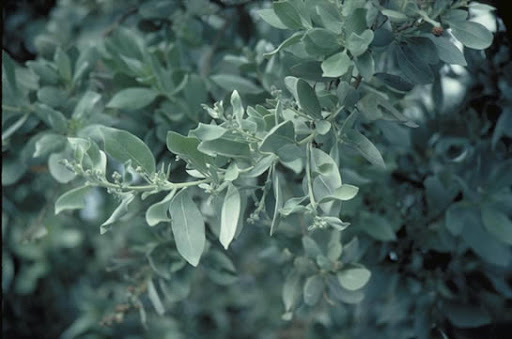
Silver Buttonwood- (Conocarpus erectus var. sericeus) is a captivating coastal tree variety renowned for its silvery foliage and resilience in saltwater environments. Native to coastal regions of Florida, the Caribbean, and Central America, this tree species typically grows to a height of 15 to 35 feet with a similar spread, forming a dense and rounded canopy. Silver Buttonwood is well-suited for USDA hardiness zones 10 to 11, thriving in warm and subtropical climates.
Thriving in full sun to partial shade, Silver Buttonwood is highly adapted to coastal conditions, particularly saline environments. It is often found along shorelines, coastal dunes, and mangrove ecosystems. The tree’s most striking characteristic is its silver or grayish foliage, which adds a touch of elegance and uniqueness to coastal landscapes. Its leaves are covered with fine hairs that give them their silvery appearance, helping to reflect sunlight and reduce water loss through transpiration.
 Go Native Landscaping and Design