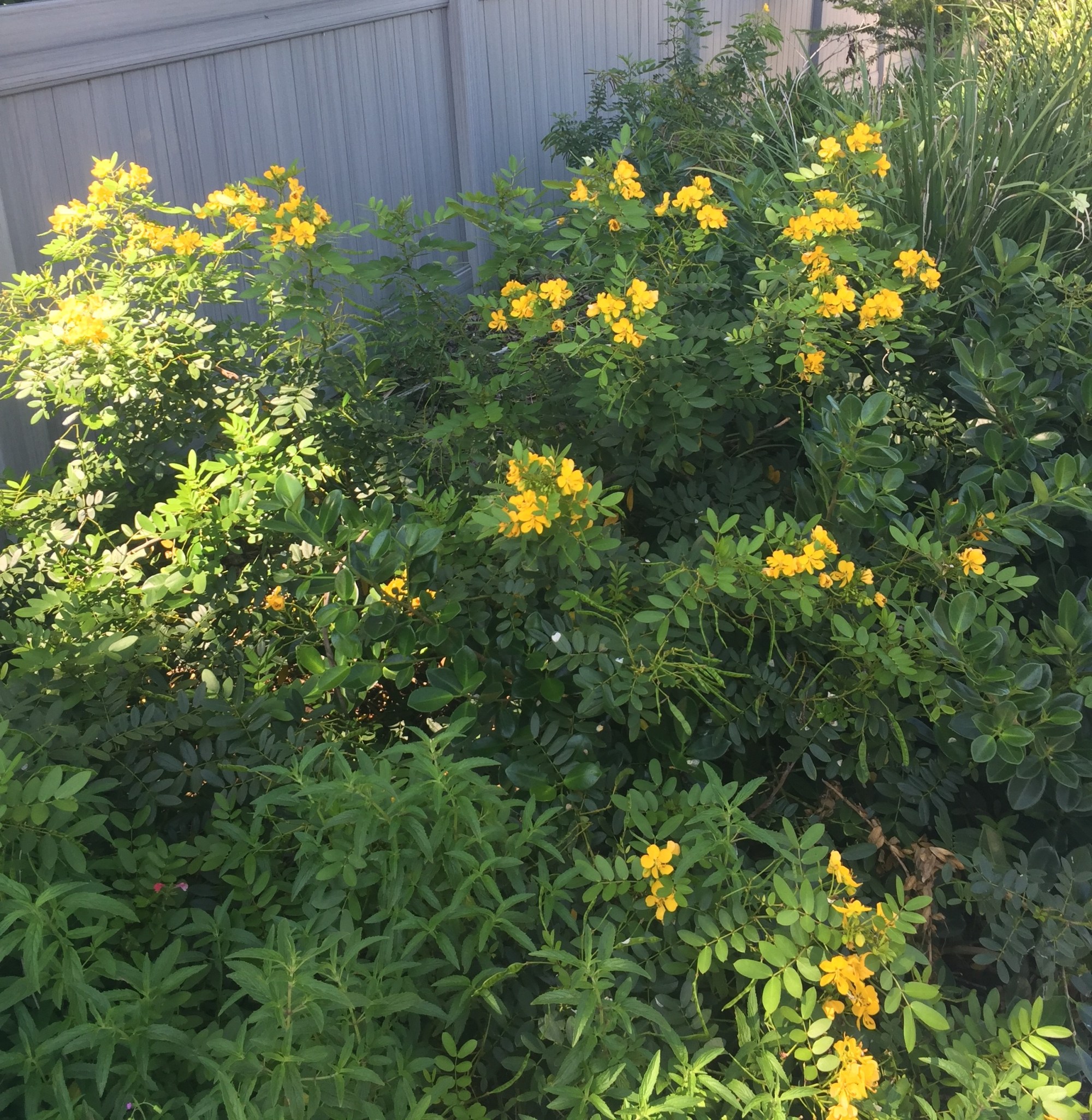

Coontie- (Zamia integrifolia) is an ancient and unique cycad plant that adds a touch of prehistoric charm and ecological importance to landscapes. This slow-growing plant typically reaches a height of 2 to 4 feet with a similar spread, forming compact clusters of palm-like foliage. It is well-suited for USDA hardiness zones 9 to 11, making it suitable for subtropical and tropical climates.
Coontie thrives in well-drained soils and is remarkably adaptable to a range of growing conditions, including sandy, loamy, or clay soils. It prefers partial to full shade, making it an excellent choice for shaded or woodland areas. When planting Zamia integrifolia, space the plants about 2 to 3 feet apart to allow for their spreading growth habit. The plant is characterized by its glossy, dark green fronds that emerge in a rosette form and its cone-like structures that bear seeds. Beyond its unique appearance, Coontie has historical significance as a Native American food source and provides habitat for various wildlife species. It is also a host plant for the Atala butterfly, which adds to its ecological value.

White Indigoberry- (Randia aculeata) is a distinctive and versatile tropical shrub that brings a unique combination of ornamental beauty and ecological benefits to gardens and landscapes. This plant typically grows to a height of 6 to 10 feet with a similar spread, forming a compact and bushy habit. It is well-suited for USDA hardiness zones 10 to 11, indicating its preference for warm subtropical to tropical climates.
White Indigoberry thrives in well-drained soils and prefers full sun to partial shade, making it adaptable to a range of growing conditions. When planting Randia aculeata, space the shrubs about 3 to 6 feet apart to allow for proper air circulation and growth. The plant is characterized by its glossy, deep green leaves and fragrant, star-shaped white flowers that emit a sweet, jasmine-like scent. These flowers give way to small, orange fruit that attracts birds and wildlife, contributing to local biodiversity. Beyond its ornamental appeal, Manjack has cultural significance in some regions and has been used in traditional herbal medicine for its potential healing properties.

Simpson’s Stopper- (Myrcianthes fragrans) is an appealing and versatile evergreen shrub or small tree that adds year-round beauty and ecological value to landscapes in subtropical and tropical regions. This plant typically grows to a height of 8 to 15 feet (2.4 to 4.6 meters) with a similar spread, forming a dense and compact canopy. It is well-suited for USDA hardiness zones 9b to 11, indicating its preference for warm climates.
Simpson’s Stopper thrives in well-drained soils and is adaptable to a variety of growing conditions. It prefers full sun to partial shade, making it suitable for different garden settings. When planting Myrcianthes fragrans, space the shrubs or trees about 6 to 10 feet apart to allow for their growth and to create a lush and visually pleasing landscape. The plant is characterized by its glossy, dark green leaves and clusters of fragrant, white flowers that resemble small starbursts. These flowers attract pollinators such as bees and butterflies, contributing to local biodiversity and supporting the health of ecosystems. The plant’s red, berry-like fruit is not only ornamental but also provides food for birds, enhancing wildlife habitat and adding a dynamic element to the garden.
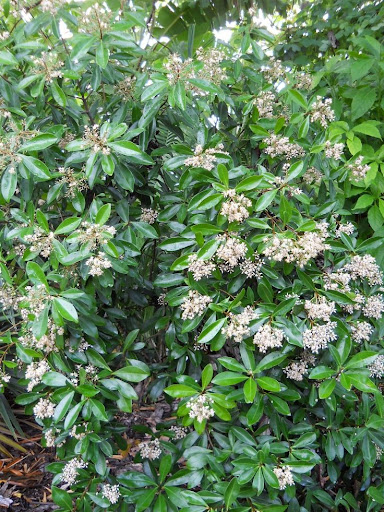
Marlberry- (Ardisia escallonioides) is an attractive and versatile evergreen shrub that adds a touch of elegance and ecological value to a variety of landscapes. This plant typically grows to a height of 4 to 6 feet with a similar spread, forming dense and compact foliage. It is well-suited for USDA hardiness zones 9 to 11, indicating its preference for subtropical to tropical climates.
Marlberry thrives in well-drained soils and prefers partial to full shade, making it suitable for shaded or woodland areas. When planting Ardisia escallonioides, space the shrubs about 4 to 6 feet apart to allow for proper air circulation and growth. The plant is characterized by its glossy, dark green leaves and clusters of small, pink to white flowers that appear in late spring to early summer. These flowers are followed by attractive red berries that persist into the winter, providing a source of food for birds and wildlife. Beyond its ornamental value, Marlberry is known for its role in providing habitat and food for pollinators and contributing to local ecosystem health.
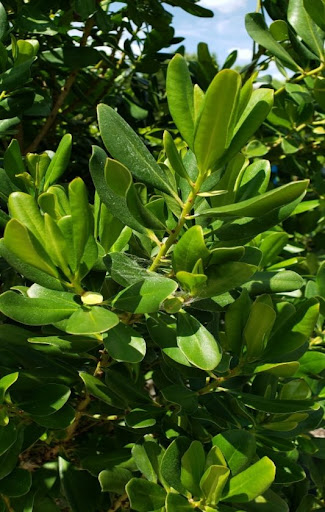
Myrsine- (Myrsine cubana) is a charming evergreen shrub that adds a touch of elegance and native beauty to gardens and landscapes. This plant typically grows to a height of 3 to 6 feet with a similar spread, forming a compact and bushy habit. It is well-suited for USDA hardiness zones 10 to 11, indicating its preference for warm subtropical to tropical climates.
Myrsine thrives in well-drained soils and prefers partial to full sun, making it suitable for a variety of garden settings. When planting Myrsine cubana, space the shrubs about 3 to 6 feet apart to allow for proper air circulation and growth. The plant is characterized by its glossy, dark green leaves that resemble holly leaves, and it produces small clusters of inconspicuous flowers that give way to attractive black berries. These berries provide food for birds and wildlife, contributing to local biodiversity and supporting the health of ecosystems. Beyond its ornamental value, Myrsine is known for its role in providing habitat and food for pollinators and other beneficial insects.

Jamaican Caper- (Quadrella jamaicensis) is an alluring and versatile shrub that brings a touch of native beauty and ecological significance to gardens and landscapes. This plant typically grows to a height of 4 to 6 feet with a similar spread, forming a dense and bushy habit. It is well-suited for USDA hardiness zones 9 to 11, indicating its preference for warm subtropical to tropical climates.
Jamaican Caper thrives in well-drained soils and prefers partial to full shade, making it suitable for shaded or woodland areas. When planting Quadrella jamaicensis, space the shrubs about 4 to 6 feet apart to allow for proper air circulation and growth. The plant is characterized by its glossy, deep green leaves that resemble coffee leaves, and it produces clusters of small, fragrant white flowers that give way to red berries. These berries provide a valuable food source for birds and wildlife, contributing to local biodiversity and supporting the health of ecosystems. Beyond its ornamental value, Jamaican CaperJamaican Wild Coffee is known for its role in providing habitat and food for pollinators and other beneficial insects.

Coco Plum- (Chrysobalanus icaco) is an enchanting and versatile coastal shrub that graces gardens and landscapes with its unique foliage, delightful fruit, and ecological significance. This plant typically grows to a height of 3 to 6 feet with a similar spread, forming dense and bushy clusters of glossy leaves. It is well-suited for USDA hardiness zones 9b to 11, indicating its preference for warm subtropical to tropical climates.
Coco Plum thrives in well-drained soils and is exceptionally well adapted to coastal environments, making it a valuable addition to beachside gardens and landscapes. It prefers full sun to light shade and is tolerant of salty conditions and winds, further highlighting its suitability for coastal regions. When planting Chrysobalanus icaco, space the shrubs about 3 to 6 feet apart to allow for proper air circulation and growth. The plant is characterized by its elliptical leaves with a deep green upper surface and silvery underside, giving it a distinct visual appeal. It produces small, plum-like fruit that range in color from green to purple to black, which are not only ornamental but also provide food for birds and wildlife. Beyond its aesthetic value, Coco Plum is known for its role in stabilizing coastal soils, preventing erosion, and providing habitat for local wildlife.
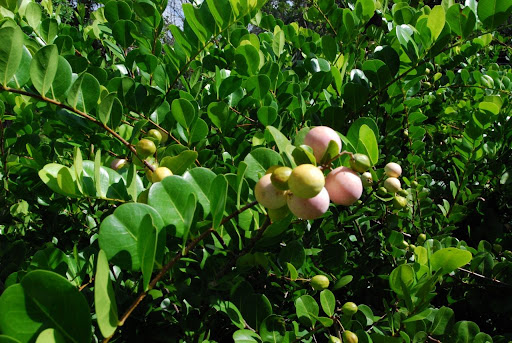
Horizontal Coco Plum- (Chrysobalanus icaco ‘Horizontal’) is a distinctive and attractive coastal shrub that adds a touch of low-growing beauty and ecological significance to coastal gardens and landscapes. This particular cultivar typically forms a low, spreading habit, reaching a height of about 1 to 3 feet with a wider spread, creating a lush ground cover effect. It is well-suited for USDA hardiness zones 9b to 11, indicating its preference for warm subtropical to tropical climates.
Horizontal Coco Plum thrives in well-drained soils and is exceptionally well adapted to coastal environments, making it a valuable addition to beachside and seaside landscapes. It prefers full sun to light shade and is tolerant of salty conditions and winds, making it an ideal choice for coastal regions with harsh environmental conditions. When planting Chrysobalanus icaco ‘Horizontal’, space the shrubs about 3 to 6 feet apart to allow for proper air circulation and growth. The plant is characterized by its horizontal spreading growth habit, attractive elliptical leaves with a silvery underside, and small, plum-like fruit that range in color from green to purple to black. While the fruit may be somewhat tart for human consumption, it serves as a valuable food source for birds and wildlife, contributing to local biodiversity and supporting the health of coastal ecosystems.

False Indigo- (Amorpha fruticosa) is a deciduous shrub native to North America. It typically reaches a height of 6 to 12 feet (1.8 to 3.7 meters) and has a spread of about 6 to 10 feet (1.8 to 3 meters). This shrub is well-suited for USDA hardiness zones 3 to 9, making it adaptable to a wide range of climates, from cold northern regions to more temperate areas.
False Indigo Bush is relatively low-maintenance and can thrive in various growing conditions. It is tolerant of poor soils, including sandy and clay soils, and can handle both wet and dry sites. This adaptability makes it a valuable addition to rain gardens, along stream banks, or in naturalized landscapes. When planting, spacing the shrubs about 6 to 10 feet apart will provide enough room for them to grow and develop their characteristic arching branches.

Blolly- (Guapira discolor) is a native gem of Florida’s coastal regions, where it thrives as a tropical evergreen tree. This enchanting tree can reach heights of 25 and boasts a graceful, rounded crown adorned with dense, glossy foliage. It is ideally suited for USDA hardiness zones 10 to 11, flourishing in the warm and subtropical climates of Florida’s coastal landscapes.
Blolly demonstrates a strong affinity for coastal growing conditions, a true testament to its adaptation to the unique environment. It displays remarkable tolerance to sandy, rocky, and loamy soils, which are often found along Florida’s coastline. This makes it an excellent choice for beachside landscaping, contributing to the resilience of coastal ecosystems. When planting Blolly trees, spacing them about 15 to 20 feet apart is advisable, allowing sufficient room for their growth while ensuring proper air circulation. The tree’s distinctive features include glossy, dark green leaves and fragrant flowers that give rise to small red fruit.

Tea Bush-(Melochia Tomentosa) is a perennial shrub native to various tropical and subtropical regions, including parts of North and South America, Africa, and Asia. This charming shrub typically reaches a height of 3 to 6 feet (0.9 to 1.8 meters) and has an equally impressive spread. It can thrive in zones 8 to 11, favoring warm climates that are characteristic of its native habitats.
The Tea Bush flourishes in well-drained soils and demonstrates a moderate tolerance for drought once established. This adaptability makes it suitable for a range of soil types, from sandy to loamy. When planting, providing ample spacing of about 2 to 3 feet between individual shrubs is recommended to allow for their growth and to promote healthy air circulation. The Tea Bush is recognizable by its dense foliage covered in soft, woolly hairs, giving it a distinct appearance and texture. The shrub produces charming pink to lavender flowers that cluster together in spikes, creating a lovely visual display.

Firebush- (Hamelia patens var. patens) commonly known as Firebush, is a captivating flowering shrub that originates from tropical and subtropical regions of the Americas, including parts of North, Central, and South America. This vibrant plant typically reaches a height of 6 to 12 feet and has a spread of about 4 to 6 feet. Firebush thrives within USDA hardiness zones 9 to 11, favoring warm and temperate climates where frost is minimal.
Growing Firebush is relatively straightforward, as it prefers well-drained soils and can tolerate a variety of soil types, including sandy and loamy. It thrives in full sun to partial shade, making it adaptable to different light conditions. When planting, spacing the shrubs about 4 to 6 feet apart is advisable, allowing for proper growth and sufficient air circulation. One of the most striking features of Hamelia patens var. patens is its brilliant tubular flowers, which range in color from fiery red to vibrant orange. These flowers are a magnet for hummingbirds and butterflies, making Firebush a popular choice for attracting pollinators to gardens. Its lush, dark green foliage adds to its ornamental appeal, creating a visually captivating presence.

Bahama Cassia- (Senna mexicana var. chapmanii) is a captivating and resilient native perennial plant that adds a touch of vibrant color and ecological value to landscapes in subtropical and tropical regions. This plant typically grows to a height of 3 to 5 feet with a similar spread, forming a clump-like growth habit. It is well-suited for USDA hardiness zones 8b to 11, indicating its preference for warm and temperate climates.
Bahama Cassia thrives in well-drained soils and prefers full sun to light shade, making it adaptable to a variety of growing conditions. When planting Senna mexicana var. chapmanii, space the plants about 2 to 3 feet apart to allow for proper air circulation and growth. The plant is characterized by its feathery, compound leaves and its eye-catching clusters of bright yellow, pea-like flowers that bloom in late spring to early summer. These flowers are not only visually appealing but also attract pollinators such as bees and butterflies, contributing to local biodiversity and supporting the health of ecosystems. Beyond its ornamental value, Bahama Cassia has a role in nitrogen fixation, benefiting the soil and surrounding plants.

Bahama Strongbark- (Bourreria succulenta)This evergreen shrub or small tree is known for its distinctive, thick, and rough bark that gives it both its common name and its impressive ability to withstand harsh environmental conditions. Growing up to 15 to 25 feet in height, Bahama Strongbark showcases its attractive, leathery leaves and small, fragrant white flowers that bloom intermittently throughout the year. Hardy in USDA hardiness zones 10 to 11, this plant thrives in warm and tropical climates.
Bahama Strongbark is well-suited to a range of growing conditions. It prefers full sun to partial shade and can tolerate a variety of soil types, including sandy or rocky soils. This adaptability makes it a suitable choice for coastal gardens or areas with well-draining soils. When planting, providing adequate spacing of around 10 to 15 feet between individual plants allows for proper air circulation and ample room for the plant to grow and develop its distinct characteristics. The plant’s thick, grayish-brown bark not only adds an intriguing textural element to the landscape but also serves as an adaptation to protect the plant from salt spray and other environmental stressors, making it an excellent choice for coastal and windy areas. While Bahama Strongbark may have limited ornamental flowers, its hardiness and unique visual appeal, especially through its bark, contribute to its ecological significance and potential as a habitat for wildlife.

Button Sage Lantana- ( Lantana involucrata) commonly known as Wild Sage or Button Sage, is a flowering shrub that adds a touch of natural beauty to gardens and landscapes. Native to various regions including parts of the Americas and Africa, Lantana involucrata typically grows to a height of 3 to 6 feet with a similar spread, creating a lush and vibrant presence. Its lush green leaves and clusters of white flowers make it an eye-catching addition to any outdoor space. Lantana involucrata is well-suited for USDA hardiness zones 8 to 11, thriving in warm and subtropical climates.
Thriving in full sun to partial shade, Lantana involucrata is adaptable to a range of soil types, including well-draining soils. Its drought-tolerant nature makes it an excellent choice for water-wise gardening. When planting Lantana involucrata, spacing individual plants about 3 to 5 feet apart allows for proper air circulation and room for growth. The shrub’s distinctive characteristics, such as its aromatic leaves and attractive flower clusters, make it a valuable addition to gardens seeking both visual appeal and pollinator-friendly plants.
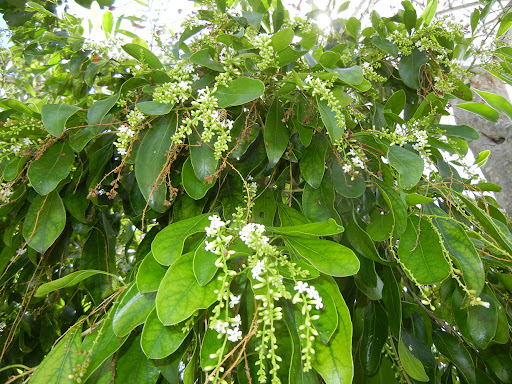
Fiddlewood- (Citharexylum spinosum) is a versatile and attractive flowering shrub or small tree that adds a touch of elegance to gardens and landscapes. Native to Florida, the Caribbean, and parts of Central America, Fiddlewood typically reaches a height of 10 to 25 feet and features a spread of about 6 to 10 feet. Its compact size and dense foliage make it an excellent choice for hedges, screens, or accent plants. Fiddlewood is well-suited for USDA hardiness zones 10 to 11, thriving in warm and tropical climates.
Fiddlewood thrives in full sun to partial shade and is adaptable to a range of soil types, making it a versatile choice for various garden settings. It is relatively low-maintenance and can tolerate periods of drought once established. The shrub’s glossy, dark green leaves provide an attractive backdrop for its clusters of small, fragrant white flowers that appear throughout the warmer months. The flowers emit a pleasant fragrance that attracts butterflies and other pollinators, adding to the overall charm of the plant. When planting Fiddlewood, spacing individual plants about 6 to 10 feet apart allows for proper air circulation and ample room for growth.

Necklace Pod-(Sophora tomentosa), also known as Silver Bush, is an enchanting flowering shrub that brings a touch of grace to gardens and landscapes. Native to coastal areas of the southeastern United States, Necklace Pod typically grows to a height of 3 to 6 feet (0.9 to 1.8 meters) with a similar spread, creating a compact yet striking presence. Its delicate silvery-gray foliage and clusters of small, tubular, yellow flowers give it a captivating appearance, especially against its backdrop of lush green leaves. Necklace Pod is well-suited for USDA hardiness zones 8 to 11, thriving in warm and subtropical climates.
Thriving in full sun to partial shade, Necklace Pod is adaptable to a variety of soil types, including sandy or well-draining soils. Its drought-tolerant nature makes it an excellent choice for water-wise landscaping. When planting Necklace Pod, spacing individual plants about 3 to 5 feet (0.9 to 1.5 meters) apart allows for proper air circulation and room for growth. The plant’s unique characteristics, such as its delicate foliage and charming flowers, make it an attractive addition to gardens or landscapes seeking a touch of elegance. Beyond its aesthetic value, Necklace Pod serves as a nectar source for pollinators like bees and butterflies, contributing to local biodiversity and supporting a healthier garden ecosystem.

Beautyberry- (Callicarpa americana) is a captivating and native shrub that adds a pop of vibrant color and a unique touch to gardens and landscapes. This deciduous shrub typically grows to a height of 3 to 8 feet and has an equally widespread, creating a pleasingly full and bushy appearance. Its standout feature is the striking clusters of bright purple berries that form along the stems in late summer and fall, providing a stunning contrast against its green foliage. American Beautyberry is well-suited for USDA hardiness zones 6 to 10, making it adaptable to a range of climates.
American Beautyberry thrives in full sun to partial shade and prefers well-drained, moderately moist soils. It is relatively low-maintenance and can tolerate periods of drought once established. When planting American Beautyberry, spacing individual shrubs about 4 to 6 feet apart allows for proper air circulation and ample room for growth. The shrub’s unique characteristic of producing clusters of vibrant berries makes it a standout choice for gardens and landscapes seeking both visual appeal and ecological benefits.

Wild Coffee- (Psychotria nervosa) is a versatile evergreen shrub that brings a touch of the wild to gardens and landscapes. Native to various regions including Florida, the Caribbean, and Central America, Wild Coffee typically grows to a height of 3 to 6 feet with a similar spread, creating a lush and textured presence. Its glossy, dark green leaves and delicate clusters of white flowers give it a captivating appearance, especially against its backdrop of vibrant foliage. Wild Coffee is well-suited for USDA hardiness zones 9 to 11, thriving in warm and subtropical climates.
Thriving in full sun to partial shade, Wild Coffee is adaptable to a variety of soil types, including well-draining soils. Its moderate water needs make it a suitable choice for water-wise gardening. When planting Wild Coffee, spacing individual plants about 3 to 4 feet apart allows for proper air circulation and room for growth. The plant’s unique characteristics, such as its attractive foliage and intriguing growth habit, make it an excellent choice for gardens seeking both visual appeal and habitat diversity. Beyond its aesthetic value, Wild Coffee plays an important role in supporting local wildlife, as its berries provide a food source for birds and other wildlife species. Additionally, the plant has potential benefits for soil stabilization and erosion control due to its dense growth habit.

Little Gem Magnolia- (Magnolia grandiflora ‘Little Gem’) is a compact and charming evergreen tree that brings the classic elegance of magnolias to smaller gardens and landscapes. A cultivar of the Southern Magnolia, this tree typically reaches a height of 15 to 20 feet with a spread of 8 to 10 feet, making it an ideal choice for limited spaces. Its smaller stature doesn’t diminish its impact; rather, it enhances its suitability for urban and suburban settings. The Little Gem Magnolia is well-suited for USDA hardiness zones 7 to 9, thriving in warm and subtropical climates.
Thriving in full sun to partial shade, the Little Gem Magnolia appreciates well-draining, slightly acidic soils. It is relatively low-maintenance and exhibits good drought tolerance once established. When planting, spacing individual trees about 10 to 12 feet apart provides room for growth and allows for proper air circulation. The tree’s lustrous, dark green leaves with a rust-colored underside offer a year-round display of evergreen foliage. Additionally, its large, fragrant white flowers, which resemble those of its larger counterparts, add a touch of timeless beauty to the landscape. Beyond its ornamental appeal, the Little Gem Magnolia serves as an excellent choice for privacy screening, as its dense foliage provides a natural barrier.
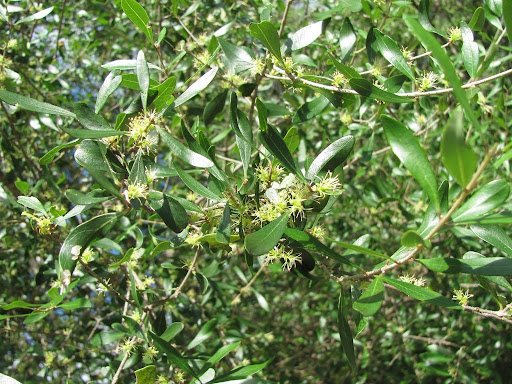
Florida Privet- (Forestiera segregata) is a hardy shrub native to southeastern parts of the United States. It typically grows to a height of 6 to 12 feet with a similar spread, creating a dense and compact appearance. This deciduous shrub is well-suited for USDA hardiness zones 8 to 11, thriving in warm and subtropical climates.
Florida Privet thrives in full sun to partial shade and is adaptable to a range of soil types, including well-draining soils. It can tolerate wet conditions and is often found in wetland areas, making it an excellent choice for rain gardens or areas with occasional waterlogging. When planting Florida Privet, spacing individual shrubs about 4 to 6 feet apart allows for proper air circulation and ample room for growth. The shrub’s unique characteristics, such as its bright green leaves and inconspicuous flowers, make it a suitable choice for both ornamental and functional landscaping. Beyond its aesthetic value, Florida Privet is valuable for erosion control, as its dense root system helps stabilize soil along stream banks and water bodies.

Wax Myrtle- (Morella cerifera) is a resilient evergreen shrub or small tree native to the southeastern United States. It typically grows to a height of 6 to 20 feet with a spread of 6 to 12 feet, creating a dense and compact form that is well-suited for a variety of landscape settings. This adaptable plant is commonly found in wetland areas, making it suitable for USDA hardiness zones 7 to 11, thriving in a range of climates.
Wax Myrtle thrives in full sun to partial shade and can tolerate a variety of soil types, including well-draining soils and sandy or loamy textures. It is relatively low-maintenance and can withstand periodic flooding, making it an excellent choice for rain gardens or areas with inconsistent water levels. When planting Wax Myrtle, spacing individual shrubs about 6 to 10 feet apart allows for proper air circulation and ample room for growth. The shrub’s unique characteristics include aromatic leaves that release a pleasant fragrance when brushed against, as well as small, waxy berries that attract birds and wildlife. Beyond its aesthetic value, Wax Myrtle is a valuable plant for erosion control, as its dense root system helps stabilize soil along water bodies and sloped areas.

Saltbush: (Baccharis halimifolia) This deciduous shrub typically grows to a height of 6 to 12 feet with a similar spread, creating a dense and bushy appearance. Native to eastern North America, Eastern Baccharis is well-suited for USDA hardiness zones 5 to 9, thriving in a range of climates.
Thriving in full sun to partial shade, Eastern Baccharis is well-adapted to coastal environments and can tolerate a variety of soil types, including sandy and well-draining soils. It is notably salt-tolerant, making it an excellent choice for landscapes near saltwater or areas exposed to coastal winds. When planting Eastern Baccharis, spacing individual shrubs about 6 to 8 feet apart allows for proper air circulation and ample room for growth. The shrub’s unique characteristic is its feathery, light green leaves, which give it a graceful and airy appearance. In late summer and fall, Eastern Baccharis produces small white flowers that add to its visual appeal and attract pollinators like bees and butterflies. Beyond its aesthetic value, Eastern Baccharis offers important ecological benefits, including its potential to stabilize soil and prevent erosion along coastlines. Its dense growth habit and root system help anchor soil, making it an effective choice for erosion control and restoration projects.

Walter’s Viburnum- (Viburnum obovatum) is a versatile and attractive evergreen shrub that brings year-round beauty to gardens and landscapes. Native to the southeastern United States, this shrub typically grows to a height of 6 to 12 feet with a similar spread, creating a compact and rounded form. Walter’s Viburnum is well-suited for USDA hardiness zones 7 to 11, thriving in warm and subtropical climates.
Thriving in full sun to partial shade, Walter’s Viburnum is adaptable to a variety of soil types, including well-draining soils. It is known for its resilience and ability to tolerate a range of growing conditions, from wet to dry soils. When planting Walter’s Viburnum, spacing individual shrubs about 6 to 8 feet apart allows for proper air circulation and room for growth. The shrub’s unique characteristics include its glossy, dark green leaves and clusters of fragrant white flowers that appear in spring. These flowers give way to blue-black berries that provide food for birds and wildlife, contributing to local biodiversity. Beyond its ornamental value, Walter’s Viburnum serves as an excellent choice for hedges, screens, or as a standalone specimen, adding both visual interest and ecological benefits to landscapes.

Bay Cedar: (Suriana maritima) is a unique and hardy coastal shrub that adds a touch of natural beauty and resilience to seaside landscapes and gardens. Native to coastal areas of North and Central America, this shrub typically grows to a height of 2 to 4 feet with a similar spread, forming a low and spreading form that is well-suited for sandy and rocky coastal environments. Bay Cedar is well-adapted to USDA hardiness zones 9 to 11, thriving in warm and subtropical climates.
Thriving in full sun to partial shade, Bay Cedar is specifically adapted to coastal conditions and can tolerate saline soils and salt spray. Its unique characteristics include its dense, gray-green foliage and tiny, fragrant yellow flowers that bloom from spring to fall. These flowers give way to small, corky-winged seeds that add an interesting visual element to the shrub. The adaptability of Bay Cedar to harsh coastal conditions makes it an excellent choice for stabilizing sand dunes, preventing erosion along coastlines, and creating windbreaks. Its deep root system helps anchor soil and reduce the impact of wind and waves, making it a valuable asset for coastal conservation and restoration projects.

Sea Lavender- (Heliotropium gnaphalodes) is a charming and resilient coastal plant that adds a touch of beauty and vibrancy to seaside landscapes and gardens. Native to coastal regions of the Americas, this herbaceous perennial typically grows to a height of 3 to 5 feet with a similar spread, forming a low and spreading form that thrives in sandy and rocky coastal environments. Beach Heliotrope is well-adapted to USDA hardiness zones 9 to 11, thriving in warm and subtropical climates.
Thriving in full sun to partial shade, Sea Lavender is specifically adapted to coastal conditions and can tolerate saline soils, salt spray, and strong winds. Its unique characteristics include its lance-shaped leaves and clusters of small, tubular flowers that range in color from lavender to blue. The flowers are known for their pleasant fragrance and attract a variety of pollinators, including butterflies and bees. The adaptability of Sea Lavendar to challenging coastal environments makes it an excellent choice for stabilizing sand dunes, preventing erosion along coastlines, and creating colorful displays in seaside gardens. Its ability to thrive in poor soils and withstand harsh conditions contributes to its value in coastal conservation and restoration projects.
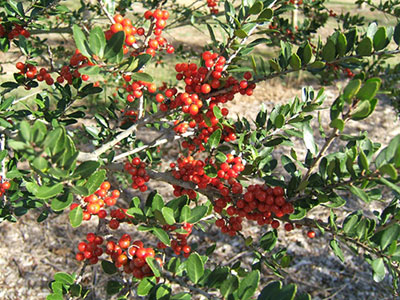
Yaupon Holly- (Ilex vomitoria) is a versatile and attractive evergreen shrub or small tree that brings both ornamental value and ecological benefits to landscapes and gardens. Native to the southeastern United States, this holly species typically grows to a height of 12 to 25 feet (3.6 to 7.6 meters) with a spread of 6 to 12 feet (1.8 to 3.6 meters), forming a dense and rounded shape. Yaupon Holly is well-suited for a wide range of USDA hardiness zones, from 7 to 9, making it adaptable to various climates.
Thriving in full sun to partial shade, Yaupon Holly is remarkably resilient and can tolerate a variety of soil types, including sandy and clay soils. It is particularly well-suited for coastal landscapes due to its tolerance of salt spray and coastal conditions. When planting Yaupon Holly, spacing individual shrubs about 6 to 8 feet (1.8 to 2.4 meters) apart allows for proper air circulation and room for growth. The shrub’s unique characteristics include its glossy, dark green leaves and small, red berries that persist through winter, providing a valuable food source for birds and wildlife. Beyond its ornamental value, Yaupon Holly is prized for its use in hedging, screening, and topiary due to its dense growth habit and ability to be easily shaped. It can also be utilized for erosion control and soil stabilization in challenging landscapes.

Sweet Acacia: (Vachellia farnesiana) is a delightful and fragrant small tree or shrub that brings a touch of beauty and aroma to gardens and landscapes. Native to arid and semi-arid regions of the Americas, this species typically grows to a height of 10 to 25 feet with a spread of 10 to 20 feet ( creating a rounded and bushy form. Sweet Acacia is well-suited for USDA hardiness zones 9 to 11, thriving in warm and subtropical climates.
Thriving in full sun to partial shade, Sweet Acacia is remarkably adaptable and can tolerate a variety of soil types, including well-draining soils and sandy textures. It is particularly well-suited for xeriscaping or water-wise gardens due to its drought tolerance once established. When planting Sweet Acacia, spacing individual trees about 10 to 20 feet apart allows for proper air circulation and room for its growth. The tree’s unique characteristics include its fern-like, delicate foliage and clusters of fragrant, pom-pom-like yellow flowers that appear in spring and intermittently throughout the year. These blossoms emit a sweet and captivating scent that attracts bees, butterflies, and other pollinators. Beyond its ornamental value, Sweet Acacia has practical benefits, such as its use for erosion control in dry landscapes and its ability to fix nitrogen in the soil, enhancing soil fertility.
 Go Native Landscaping and Design