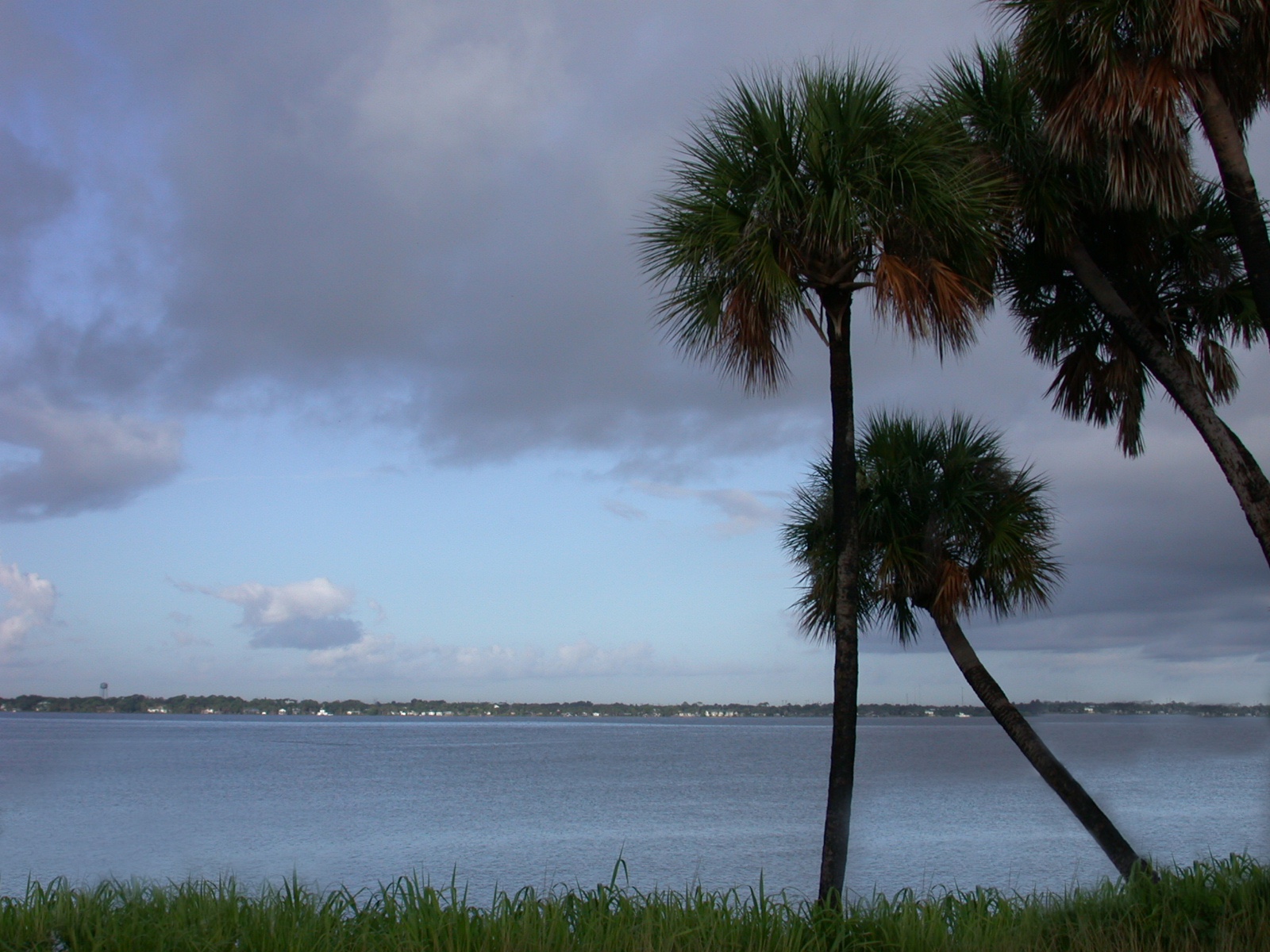
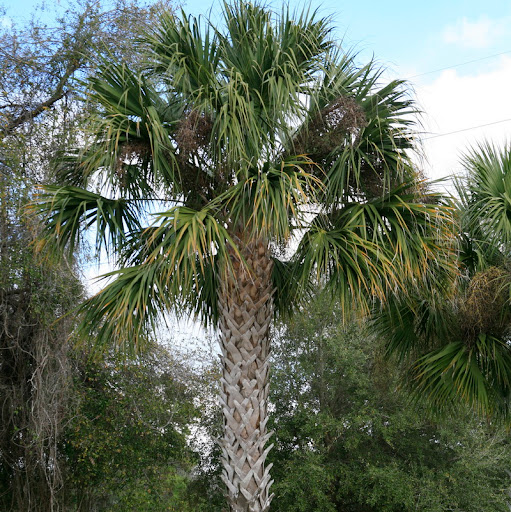
Cabbage Palm- (Sabal Palmetto) is a majestic and iconic palm species native to the southeastern United States. This impressive palm tree can reach heights of 30 to 80 feet, making it a dominant feature in the coastal and subtropical landscapes where it thrives. Sabal palmetto is well-suited for USDA hardiness zones 8 to 11, adapting well to a range of climates.
Thriving in full sun to partial shade, the Cabbage Palmetto is known for its adaptability to various soil types, including well-draining sandy soils and moist, organic soils. It has a distinct fan-shaped crown of large, deeply divided leaves, creating a unique and tropical appearance. The leaves themselves are a valuable characteristic of the palm, with their fibrous petioles often referred to as “cabbage” due to their edibility and historical use by Native American populations and early settlers. The palm’s fronds rustle in the wind, adding a soothing auditory element to landscapes. When planting Sabal palmetto, it’s important to space them at least 15 to 20 feet apart to allow for their expansive canopy to develop.
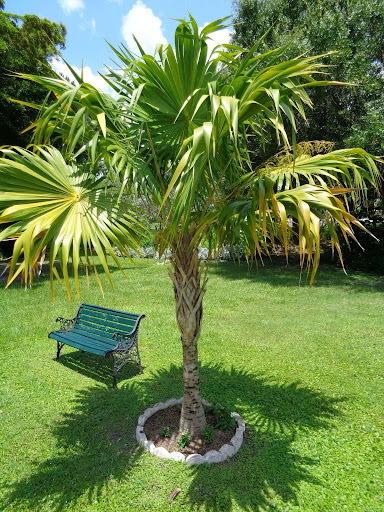
Florida Thatch Palm-(Thrinax Radiata) is a charming and distinctive palm species native to the coastal areas of Florida, the Caribbean, and the Bahamas. This palm tree typically grows to a height of 10 to 25 feet, with a spread of about 6 to 12 feet. Thrinax radiata is well-suited for USDA hardiness zones 9b to 11, thriving in subtropical and tropical climates.
Thriving in full sun to partial shade, Florida Thatch Palm is often found in coastal hammocks, sandy dunes, and other well-draining, sandy soils. It features a slender, solitary trunk topped with a crown of fan-shaped leaves that radiate outward, giving the palm its distinctive appearance. The palm’s leaves are divided into segments, creating a unique and attractive texture. When planting Thrinax radiata, ensure that you space the palms about 8 to 12 feet apart to allow for their graceful canopy to develop.

Keys Thatch Palm- (Thrinax Morrisii) is a captivating and native palm species that adds a touch of elegance and tropical charm to landscapes. Endemic to the Florida Keys and the Bahamas, this palm typically grows to a height of 10 to 20 feet, with a spread of about 5 to 10 feet. Thrinax morrisii is well-suited for USDA hardiness zones 10a to 11, thriving in subtropical and tropical climates.
Thriving in full sun to partial shade, the Key Thatch Palm prefers well-draining sandy soils and is often found in coastal hammocks, sandy dunes, and other similar environments. It features a slender and solitary trunk topped with a crown of fan-shaped leaves that radiate outward, creating an enchanting canopy. The palm’s leaves are divided into segments, and they showcase a striking silver-blue color on the underside, adding to its visual appeal. When planting Thrinax morrisii, ensure you space the palms about 6 to 10 feet apart to allow for their graceful growth and canopy development.

Silver Palm-(Coccothrinax Argentata) is a captivating and native palm species that showcases a stunning display of silvery foliage, contributing to the beauty and charm of tropical and subtropical landscapes. Endemic to the Florida Keys and the Caribbean, this palm typically reaches a height of 15 to 25 feet with a spread of about 6 to 10 feet. Coccothrinax argentata is well-suited for USDA hardiness zones 10a to 11, thriving in warm and tropical climates.
Thriving in full sun to partial shade, the Florida Silver Palm prefers well-draining sandy soils and is often found in coastal areas, coastal hammocks, and tropical forests. It features a slender, solitary trunk adorned with a crown of fan-shaped leaves that exhibit a striking silvery hue on their undersides, providing a breathtaking contrast against the vibrant green topsides. The palm’s leaves are divided into segments, creating a captivating texture. When planting Coccothrinax Argentata, ensure you space the palms about 6 to 10 feet apart to allow for their graceful growth and the development of their distinctive canopy.

Everglades Palm- (Acoelorrhaphe Wrightii) is a captivating and distinctive palm species native to the southeastern United States, particularly in the Everglades region of Florida. This palm tree typically grows to a height of 20 to 30 feet, forming clumps or small groves with multiple slender trunks. Acoelorrhaphe Wrightii is well-suited for USDA hardiness zones 9a to 11, thriving in subtropical and tropical climates.
Thriving in full sun to partial shade, the Everglades Palm prefers moist to wet soils and is often found in swampy areas, marshes, and along water bodies. It features a unique and attractive crown of fan-shaped leaves that radiate outward, providing a tropical and graceful appearance. The palm’s leaves are divided into segments, creating a textured and feathery effect. When planting Acoelorrhaphe wrightii, space individual palms about 6 to 10 feet apart to allow for proper growth and the development of their charming canopy.

Royal Palm: (Roystonea Regia) is a majestic and iconic palm species that adds a sense of grandeur and tropical elegance to landscapes. Native to parts of Florida, the Caribbean, and Central America, this tall palm typically grows to a height of 50 to 70 feet, with some specimens reaching even greater heights. Roystonea Regia is well-suited for USDA hardiness zones 10a to 11, flourishing in subtropical and tropical climates.
Thriving in full sun to partial shade, the Royal Palm prefers well-draining soils and is often found in a variety of habitats, including coastal areas, tropical forests, and urban landscapes. It features a straight and smooth trunk topped with a crown of large, feathery fronds that create a striking visual impact. The palm’s leaves are pinnately compound, meaning they have multiple leaflets arranged on each side of the central stem. When planting Roystonea regia, it’s important to provide ample space, as these palms require room to grow. Space individual palms at least 15 to 20 feet apart to allow for their impressive size and canopy development.

Dwarf Palmetto-(Sabal Minor) is a charming and resilient palm species native to the southeastern United States. This compact palm typically grows to a height of 3 to 6 feet, forming clumps or small groves with multiple fan-shaped leaves. Sabal minor is well-suited for USDA hardiness zones 7b to 11, making it adaptable to a range of climates.
Thriving in full sun to partial shade, the Dwarf Palmetto prefers moist to wet soils and is often found in wetland areas, marshes, and along the edges of ponds and streams. It features distinctive blue-green leaves that are divided into segments, creating a unique and textured appearance. When planting Sabal minor, space individual palms about 3 to 6 feet apart to allow for their growth and the development of their charming clusters.

Saw Palmetto- (Serenoa Repens) is a hardy and iconic native palm species that thrives in southeastern United States landscapes, particularly in coastal areas and sandy habitats. This palm typically grows as a low, spreading shrub with a height of 3 to 7 feet, forming dense clusters of fan-shaped leaves. Saw Palmetto is well-suited for USDA hardiness zones 8 to 11, adapting well to subtropical and tropical climates.
Thriving in full sun to partial shade, Saw Palmetto prefers well-draining sandy soils and is often found in scrub habitats, pine flatwoods, and coastal dunes. It features striking blue-green leaves that are divided into segments, creating an appealing texture. The palm’s leaves have serrated edges, giving it its name “Saw Palmetto.” When planting Serenoa repens, space individual palms about 3 to 5 feet apart to allow for proper growth and the development of their distinctive clusters.
 Go Native Landscaping and Design